
You Should Decide Who Receives Your Property and How
You've worked hard for your home, your savings, and maybe a business, or a rental property or two. You want to know it will go to the people you choose and love, the way you intend, and that someone you trust can step in if you ever can't manage things yourself. A trust can do that. Here are some of the situations that bring people to a trusts attorney.
You Want Your Family to Inherit Without Going Through Probate Court
When property is in your name alone, it generally has to go through court-supervised probate before it passes to your family. Probate often takes a year or more, carries statutory fees, and is a matter of public record. A trust lets your home and other property pass to your beneficiaries privately, on your terms.
You Want Someone You Trust to Step In if You Can't Manage Your Own Affairs
An illness or an accident can leave you unable to pay bills, manage a rental property, or run a business. A trust names a successor trustee who can step in and manage the property held in the trust according to your instructions.
You Want to Provide for Everyone in Your Family the Way You Intend
A blended family, young children, or a family member with a disability each calls for different terms: who receives what, at what age, and under what conditions. A trust lets you put that in writing so your intentions are clear. An online form can't ask about any of that, and it can't tell you whether your trust meets California's requirements (see Cal. Prob. Code § 15200 et seq.).
You Want to Be Sure the Trust Works When Your Family Needs It
A trust only controls the property that has been moved into it, so your home, accounts, and business interests all need to be transferred correctly. That is part of the work of setting one up, and it is what makes the plan do what you intended.
You Want an Attorney Who Explains Everything in Plain Language
Fees and approaches vary from firm to firm, and it can be hard to tell who will write a plan for your family instead of handing you a standard package. You want an attorney who explains each decision plainly, answers your questions, and tailors the trust to your situation.
Pickard Law Firm helps with each of these: it prepares the trust, transfers your property into it, and explains each step along the way, for families in Whittier and across Los Angeles County.
A Trust Gives You Control Over What Happens to Your Property
Trusts come in several forms, each suited to different goals. Here is how they differ.
Revocable Living Trust
A revocable living trust is a common starting point. Under Cal. Prob. Code § 15400, a California trust is revocable unless it is expressly made irrevocable. You keep full control while you are alive and capable, and you can amend or revoke the trust as your life changes. Property titled in the trust passes to your beneficiaries without probate, and a successor trustee can manage it if you become incapacitated. Many California homeowners begin here.
Irrevocable Trust
An irrevocable trust generally cannot be changed or revoked once it is signed, and you give up control of the assets you transfer to it. In exchange, depending on how it is structured and when it is funded, it can support estate tax planning, creditor protection planning, and Medi-Cal planning. It is a tool for specific goals rather than a replacement for a revocable trust, and the structure matters a great deal.
Special Needs Trust
If a child, parent, or other family member has a disability, a special needs trust can supplement their public benefits without replacing them. Leaving assets to that person outright can jeopardize eligibility for needs-based programs. Federal rules for programs such as SSI also treat a trust funded by someone else differently from one funded with the beneficiary's own money, so how the trust is written and funded matters.
Testamentary Trust
A testamentary trust is written into your will and does not exist until after your death. Because the will generally must go through probate first, it does not avoid probate the way a living trust does.
How to Choose
Many families use a revocable living trust as the foundation and add another type when a specific goal calls for it. A trusts attorney can match the structure to your property, your family, and your goals before you commit.
Why Whittier Residents Choose Pickard Law Firm
Most of what families put in a trust is something you can stand in front of: a house, a rental, a building, a piece of land. Pickard Law Firm, P.C. practices real estate and construction law alongside estate planning and business law, so property is familiar ground. It serves clients from an office at 13215 Penn Street in Whittier, and it works with families across Los Angeles County.
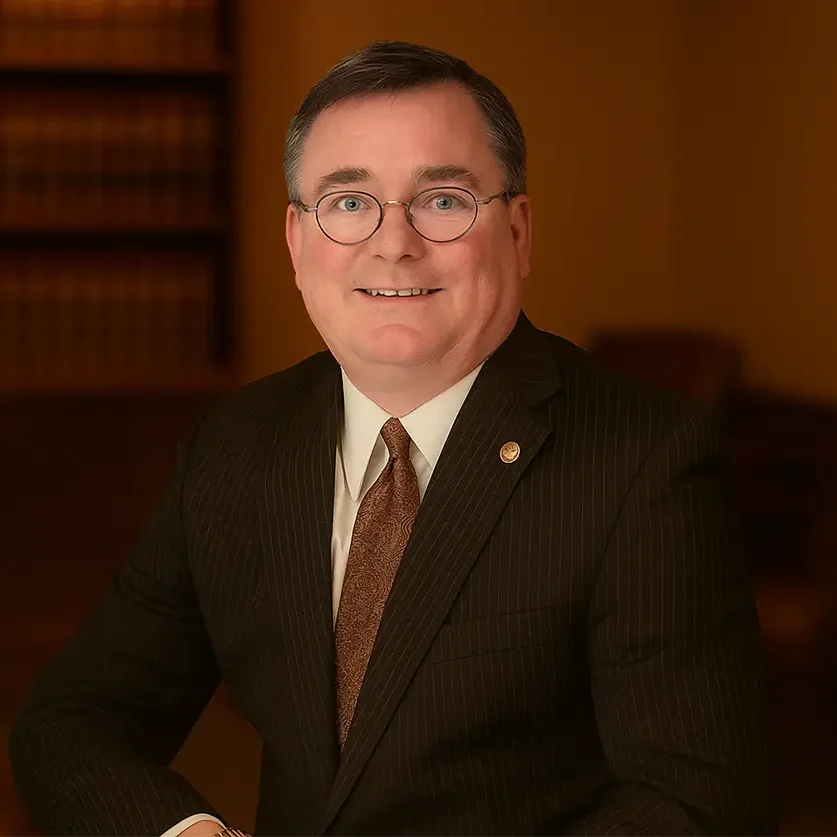
The attorneys reflect that. David Pickard has a background in both architecture and law, and studied at Stanford University, USC, and Southwestern Law School. Ashley P. Schulte, a partner admitted to the California Bar in 2014, has handled litigation and transactional work for contractors, owners, and developers, and supports the firm's estate planning work.
For your trust, that means the property side gets real attention. The deed that moves your Los Angeles County property into the trust is prepared and recorded with the Los Angeles County Registrar-Recorder/County Clerk as part of funding your trust, so it is handled for you. The firm describes what clients get as integrity, expertise, and personalized attention.
Talk With a Trusts Attorney in Whittier
A trust that is drafted and funded correctly can keep your estate private and help your family stay out of court. Pickard Law Firm serves Whittier and Los Angeles County residents who are ready to put the right structure in place.